Cinematic drone shots aren’t just about hitting “record” and flying—they’re a blend of meticulous planning, technical precision, and artistic vision. From pre-flight checklists to post-production magic, every step shapes raw footage into storytelling gold. Whether you’re a client curious about the process or an aspiring pilot eager to up your game, here’s how professionals turn the sky into their canvas.
1. Pre-Flight Planning: The Blueprint for Success
Great footage starts long before takeoff. Teams scout locations using satellite maps and weather apps to pinpoint ideal shooting times (hello, golden hour!). Storyboards and shot lists ensure no detail is overlooked—whether it’s framing a mansion against a sunset or syncing a drone’s movement with a moving subject.
Pro Tip: “Always have a Plan B. Weather changes, batteries die, and permits fall through. Flexibility is key.”
– Mark Rivera, Lead Pilot at AeroCine Studios
2. Safety First: Pre-Flight Checks You Can’t Skip
- Battery & Calibration: Confirm batteries are fully charged, and sensors/GPS are calibrated.
- Airspace Compliance: Check FAA or local regulations for no-fly zones or altitude restrictions.
- Weather Readiness: Wind speed, rain, and glare can make or break a shoot.
A single oversight can ground your drone—or worse, risk damage or legal issues.
3. Gear Matters: Choosing the Right Tools
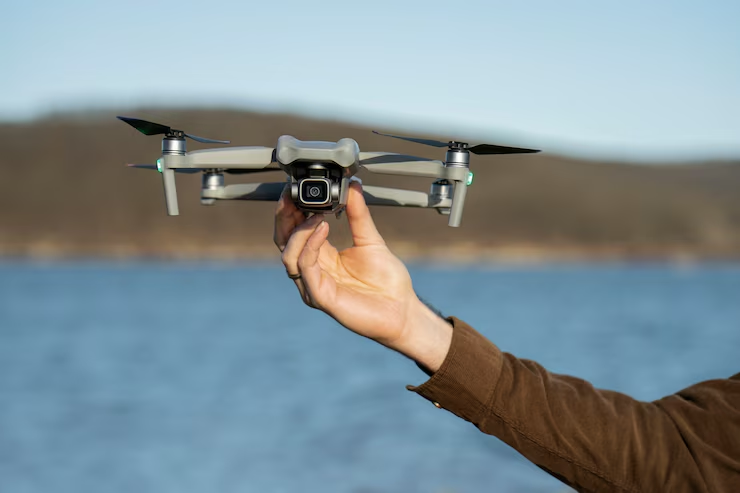
- Drones: High-end models like the DJI Inspire 3 offer 8K resolution and interchangeable lenses for cinematic depth.
- Filters: ND filters control light exposure, while polarizers reduce glare on water or windows.
- Gimbals & Controllers: Smooth movement hinges on stabilized gimbals and responsive controllers.
For luxury real estate shoots, a 24mm lens might highlight architecture, while a 50mm lens zooms in on intricate details.
4. Mastering Movement: Flight Paths That Tell a Story
- Reveal Shots: Start tight on a property’s facade, then ascend to unveil the surrounding landscape.
- Orbit Mode: Circle a subject to create dynamic, 360-degree perspectives.
- Tracking Shots: Follow a car down a driveway or guests through an event space for cinematic flow.
Every movement is intentional—slow, steady, and purposeful.
5. Post-Production: Where Raw Footage Becomes Art
- Color Grading: Enhance golden-hour warmth or correct overexposed skies with tools like DaVinci Resolve.
- Stabilization: Smooth out minor shakes using software like Adobe Premiere Pro.
- Sound Design: Add subtle ambient noise (rustling leaves, distant waves) to immerse viewers.
“Editing is where you breathe life into the visuals. It’s not just cleaning up—it’s storytelling.”
– Lena Park, Video Editor at Horizon Media
Conclusion
Cinematic drone footage is equal parts science and art. It demands technical expertise, creative intuition, and relentless attention to detail. For clients, this behind-the-scenes peek reveals why professional shoots are worth the investment. For creatives, it’s a roadmap to transforming “good enough” into “jaw-dropping.”
Ready to elevate your visuals? Remember: The sky’s not the limit—it’s the starting point.